AVUI m'agrada...una església abandonada d'Astúries reconvertida en skatepark. What today we like most... is this old abandoned church in Asturias (Spain) transformed into a skatepark.
Originally designed by Asturian architect Manuel del Busto in 1912, the church of Santa Barbara in Llanera, Asturias, was abandoned for years and crumbling from neglect. Luckily, a group of enterprising individuals lead by a collective called the ‘Church Brigade,’ with help from online fundraising and Red Bull, the church was salvaged and turned into a public skate park dubbed 'Kaos Temple'. _Originalment dissenyada per l'arquitecte asturià Manuel del Busto l'any 1912, l'església de Santa Bàrbara a Llanera, Astúries, va quedar abandonada durant anys i s'enfonsava degut a la negligència. Per sort, un grup de persones emprenedores, dirigit per un col·lectiu anomenat la Church Brigade, amb l'ajuda i la recaptació de fons online i de Red Bull, l'església s'ha recuperat i convertit en un skatepark públic denominat Kaos Temple.
The oldest date from the Barcelona Fira de Santa Llúcia is 1786._La data més antiga de la Fira de Santa Llúcia de Barcelona és la de 1786. I així ho corrobora Joan Amades (més inormació al web Fira de Santa Llúcia).
La seva instal·lació també ha variat molt. Però, sens dubte, és una de
les tradicions nadalenques més arrelada i antiga de Barcelona. Josep Mª
de Segarra, en el Romanç de Santa Llúcia deia...
Perquè avui és Santa Llúcia
dia de l'any gloriós,
pels volts de la Plaça Nova
rondava amb la meva amor.
Anem tots dos a la fira,
amiga, anem-hi dejora,
que una mica de muntanya
alegri nostra tristor.
Comprarem grapats de molsa
i una enramada d'arboç,
i una blanca molinera,
i una ovella i un pastor. (fragment)"
This is the Nativity of this year of Barcelona._El Pessebre d'enguany de la ciutat de Barcelona.
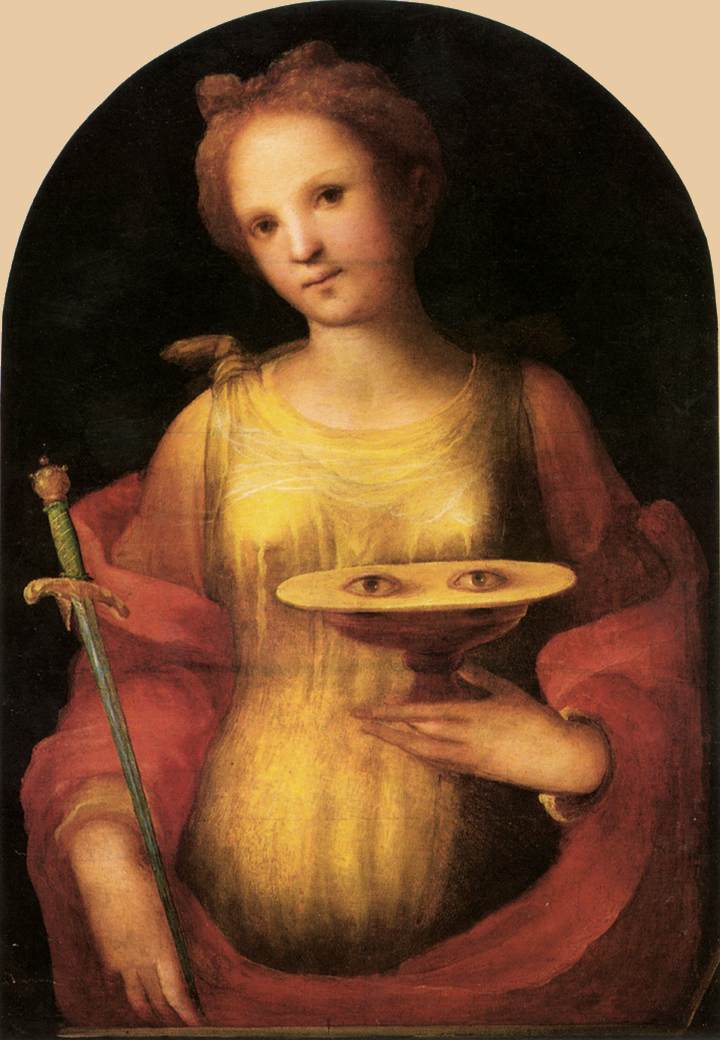
'Lucian päivä'... two years ago in Helsinki. _Santa Llúcia, ara fa un parell d'anys, a Hèlsinki.
Yesterday was 'LucianPäivä', the Feast of Saint Lucy._Ahir va ser Lucian Päivä, Santa Llúcia a casa nostra.
SaintLucia is one of the few saints celebrated by the overwhelminglyLutheranNordic people—Danes;Swedes;FinnsandNorwegians._Tot i que Finlàndia és un país eminentment luterà, la festivitat de Santa Llúcia és una de les poques que van quedar després de la Reforma de 1530.
It is aday whentheolder womanin the familywalks witha crownof sevencandles,leadinga processionof otherwomen whoholda candleeach.The woman who wears the crown,enters the roomsinging the song'SantaLucia'(an old Neapolitan song), the lyrics ofwhichhas adapted to theScandinaviantraditionsand describeslightovercomingdarkness._És un dia en que la dona més gran de la família camina amb una corona de set espelmes, encapçalant una processó d'altres dones que aguanten una espelma cada una. La dona que duu la corona, entra a la sala cantant la cançó de Santa Llúcia (una antiga cançó napolitana), la lletra de la qual s'ha adaptat a les tradiciones escandinaves i descriu la llum amb què Santa Llúcia venç la foscor.
The Finnish celebrations have been historically tied to Swedish culture and the Swedish-speaking Finns. St Lucy is celebrated as a “beacon of brightness” in the darkest time of year. The
first records of St. Lucy celebrations in Finland are from 1898, and
the first large celebrations came in 1930, a couple of years after the
popularization of the celebrations in Sweden. The St. Lucy of Finland
has been elected since 1949 and she is crowned in the Helsinki Cathedral. Sonja Lehto has been this year's elected girl._És una festa celebrada, sobretot, pels suecs i, a Finlàndia, sobretot pels finlandesos d'origen suec. A Hèlsinki, la coronació de Llúcia, una noia proposada per les revistes sueques a Finlàndia Folkhälsan i Hufvudstadsbladet, i elegida popularment (amb motius benèfics), és duu a terme a la Catedral d'Hèlsinki. Aquest any (2015) ha estat Sonja Lehto.
After thecoronation, singing'SantaLucia' processionbeginsat thecity center._Després de la coronació, amb el cant de Santa Llúcia, s'inicia una processó pel centre de la ciutat.
The St. Lucy's Day celebrations retain many indigenousGermanicpagan, pre-Christianmidwinterelements. Some of the practices associated with the day predate the adoption ofChristianityin
Scandinavia, and like much of Scandinavian folklore and even
religiosity, is centered on the annual struggle between light and
darkness. It
is likely that tradition owes its popularity in the Nordic countries to
the extreme change in daylight hours between the seasons in this
region._El per què va sobreviure aquesta festivitat ve molt lligat a la relació que tenen els països nòrdics amb la llum i la foscor, sobretot durant els mesos més crus de l'any, novembre i desembre, on el dia té molt poques hores. El dia 13, el dia de Santa Llúcia, marca el punt d'inflexió, essent la nit més llarga de l'any, i l'endemà, el dia (llum) ja comença a guanyar terreny a la nit (foscor).
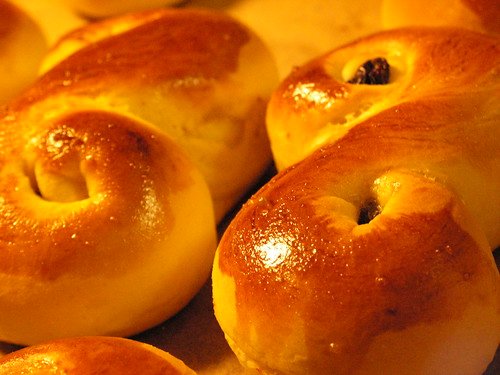
Com sempre, a Finlàndia, hi ha una menja especial per a l'ocasió ... en aquest cas, d'origen suec... Lussekatt (panets de canyella) src big in finland
OnDecember 13is the dateof themartyrdom ofSt. Luciaandin theoriginalJulian calendarcoincided withthe winter solstice(I found this process of Christianisation pagan traditions specially interesting...at leastthose relatedto Christmas)._El dia 13 de desembre és la data suposada del martiri de Santa Llúcia i que, en el calendari julià original coincidia amb el solstici d'hivern (és molt interessant tot aquest procés de cristianització de les tradicions diguem-ne... paganes... sobretot les que estan relacionades amb el Nadal). It
is also the traditional start date of the holiday season. This day
should start the Fira of Santa Llúcia (which lasts until the 24th) in
Barcelona. _És també la data tradicional d'inici de les festes nadalenques. Aquest dia hauria de començar la Fira de Santa Llúcia (que dura fins el 24)... En Aquest dia s'haurien d'encendre els llums als carrers... Aquest dia s'ha de muntar el pessebre i engalanar la casa... Aquest dia... ja que fins a aquest dia no s'haurien venut les figures, els avets, les altres ornamentacions nadalenques...
The oldest date from the Barcelona Fira de Santa Llúcia is 1786._La data més antiga de la Fira de Santa Llúcia de Barcelona és la de 1786. I així ho corrobora Joan Amades (més inormació al web Fira de Santa Llúcia). La seva instal·lació també ha variat molt. Però, sens dubte, és una de les tradicions nadalenques més arrelada i antiga de Barcelona. Josep Mª de Segarra, en el Romanç de Santa Llúcia deia...
Marketing and consultancy company SEK decided to celebrate its 80th birthday by opening up a bar on their own premises open to all._L'empresa finlandesa de màrqueting iconsultoriaSEKvan decidircelebrar el seuaniversari número80inaugurantun bar obert a tothom a les seves pròpiesinstal·lacions.
The bar, "Why join the navy when you can be a pirate", is located in the heart of Helsinki in a late 19th century ground floor retail space. It is a gathering place for having a drink as well as hosting meetings, while providing an access to SEK's office spaces on the upper floor._El bar,Why join the navy when you can be a pirate(Per què enrolar-se-se ala marinaquanpots serun pirata),estàsituat al cord'Hèlsinkia la planta baixa d'un edifici de finals de segle 19.És un llocde trobadaper prendre unacopa,o celebrar-hireunions,mentre que proporcionaun accés ales oficines deSEK, al pissuperior.
Designed by Futudesign it has an industrial vibe, with its exposed steel beams, bricks and pipes. _Dissenyat per Futudesign, té unambientindustrial, amb les sevesbiguesd'acervistes, els maonsi les canonades.
It is run by Kim Heiniö, who is also behind Block by Dylan._Estàdirigitper KimHeiniö, quitambéés al darreredel restaurant Block by Dylan.
The Finnish composer Jean Sibelius (Hämeenlinna, 8 December 1865 – Järvenpää, 20 September 1957) was born on a day like yesterday 150 years ago in the small Finnish town of Hämmeenlinna. Sibelius one of the greatest musical geniuses although he has rarely been valued like this. But all the effort that has been made by their enthusiastics all over this year, and what still remains, highlights the importance of his music. _El compositor Jean Sibelius (Hämeenlinna, 8 de desembre de 1865 - Järvenpää, 20 de setembre de 1957) va néixer tal dia com ahir de fa 150 anys a la petita localitat finlandesa de Hämmeenlinna. Sibelius és considerat un dels més grans genis de la música de tota la música culta occidental, encara que poques vegades se li hagi reconegut massa el seu valor. Tot l'esforç que s'ha fet per part dels seus entusiastes al llarg d'aquest any, i el que encara queda, posa en relleu la importància de la seva música i de la seva figura.
His first project was this nationalist overtones composition 'Kullervo', a composition of Finnish melodic ideas and dark and serious tone. The work was conceived in Vienna and completed after returning to his homeland in 1891. His successful debut came the following year in Helsinki. At that time Sibelius joined the 'carelianist' movement, a group interested in exploring the roots of Finland through study of the national epic 'Kalevala'. In 1892 he composed another work of Finnish inspiration: the symphonic poem 'En Saga'. That same year he married Aino Järnefelt and made a trip to the region of Karelia, where he had the opportunity to transcribe folk tunes in the area. _El seu primer projecte de ressonàncies nacionalistes va ser Kullervo, una composició d'idees melòdiques finlandeses i de to fosc i greu. L'obra va ser concebuda a Viena i finalitzada després de tornar al seu país natal en 1891. La seva exitosa estrena es va produir a l'any següent a Hèlsinki. En aquesta època Sibelius es va unir al moviment carelianista, un grup d'artistes interessats a aprofundir en les arrels de Finlàndia per mitjà de l'estudi de l'epopeia nacional o Kalevala. En 1892 va compondre una altra obra d'inspiració finesa: el poema simfònic en saga. Aquest mateix any es va casar amb Aino Järnefelt i va realitzar un viatge a la regió de Carèlia, on va tenir oportunitat de transcriure melodies populars de la zona.
His most ambitious work is undoubtedly the 'Seventh Symphony (1924)'; written in one movement, it achieves great expressiveness Sibelius through a symphonic development without interruption. _La seva obra més ambiciosa és sens dubte la Setena simfonia (1924) escrita en un sol moviment. En ella Sibelius aconsegueix una gran expressivitat a través d'un desenvolupament simfònic sense interrupcions.
'Finland' (opus 26) is a symphonic poem created by the Finnish composer originally in 1899 and revised in 1900. It lasts about seven minutes, and for most of its length the music develops into a turbulent rhythm and style, with great orchestral load, symbolizing the oppression and struggle of Finnish people, ending in a hymn of hope. This piece was composed for patriotic reasons, to mobilize popular opposition to the revocation of the Finnish autonomy by the government of the Russian Empire. Possibly the most famous piece of this symphonic poem is the final hymn, known as "Finland". This hymn was turned into a separate orchestral piece by Sibelius itself, and in 1941 Veikko Antero Koskenniemi wrote the letter that is now known. Finland has no official national anthem. Although 'Maamme', the unofficial anthem, is more popular, Finland has been nominated several times for the role._Finlàndia (opus 26) és un poema simfònic escrit pel compositor finlandès originalment en 1899 i posteriorment revisat en 1900.La peça dura aproximadament set minuts, i durant gairebé tota la seva extensió es desenvolupa en un ritme i estil turbulents, amb gran càrrega orquestral, simbolitzant l'opressió i lluita del poble finés, finalitzant en un himne d'esperança. Aquesta peça va ser composta amb motius patriòtics, per mobilitzar l'oposició popular a la revocatòria de l'autonomia finlandesa pel govern de l'Imperi rus. Possiblement la peça més famosa del poema simfònic és l'himne final, conegut com a himne "Finlàndia". Aquest himne va ser convertit en una peça orquestral separada pel propi Sibelius, i el 1941 Veikko Antero Koskenniemi escriure la lletra per la que avui és conegut. Finlàndia no té un himne nacional oficial. Tot i que Maamme, l'himne oficiós, és més popular, Finlàndia ha estat proposat diverses vegades per aquest rol.
'Only' 11ºC in Barcelona this morning and I'm already thinking that I need to wear like the Finnish man of this video._Aquest matí el termòmetre exterior de casa a Barcelona marcava 11 graus, més o menys com aquest darrers dies...Creieu que ens hauríem de vestir com aquest finès?
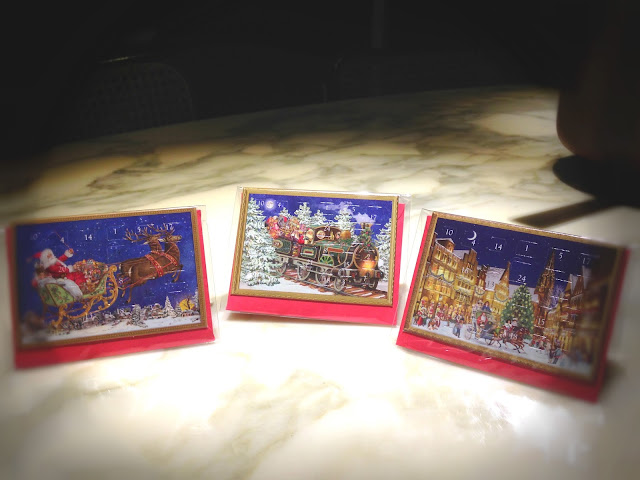
Have youalreadybegun to openthe little windowsof youradventcalendars?Wehave! _Heu començat a obrir ja les finestretes dels vostres calendaris d'advent? Nosaltres sí!
Go also to this link for a very Finnish Christmas calendar._ Anéu a aquest link per a un calendar d'advent molt finlandèsxmas.finland.fi.
'Himmel' is a highly valued and beloved Christmas decorations in Finland, made of straw tied straws. Made of hundreds or even thousands of pieces of straw. Exist in various shapes and sizes. Traditionally 'Himmel' hung above the dining table, where it remained until the summer solstice, to ensure that the rye harvest the following year were abundant._El himmeli és una molt valorada i estimada decoració de Nadal a Finlàndia, feta de canyetes de palla lligades. Fetes decentenars,ofins i tot milers, de pecesde palla. N'existeixen de diverses formes i mides. Tradicionalment el himmeli es penjava damunt de la taula del menjador, on s'hi quedaven fins al solstici d'estiu, per a garantir que la collita de sègol de l'any següent fos abundant.
Combines elements of geometry and architecture into graceful patterns and shadows. Although the root of the word “himmeli” is Germanic (in Swedish and German himmel means “sky” or “heaven”) and different versions of this straw mobile can be found in other Nordic countries, the 'himmeli' is considered the quintessential traditional Finnish Christmas decoration._Formalment combinaelementsde la geometriail'arquitecturaen patronsiombresgracioses. I encara que l'origen de la paraula himmeliésgermànic (himmelien sueci alemanysignifica cel), i lesdiferentsversionsd'aquestmòbilde pallaespodentrobaren altrespaïsosnòrdics, elhimmeliésconsiderat laquinta essència de les tradicions nadalenques a Finlàndia.
It is widely thought that best 'himmelis' are made out of rye, the grain with the longest and sturdiest stems. A well-kept 'himmeli' can last up to a hundred years. In modern interpretations, the materials vary from plywood to paper and even plastic straws. _Els millorshimmelisestanfetsde sègol, i ben guardat diuen quepot durarfins a centanys. Enlesversionsmodernes, elsmaterialsvariendes del contraxapatde papera lespalletes deplàstic.
Himmeli maker Eija Koski’s childhood memories go back to her aunt’s farmhouse in Finland’s Northern Savo region, where a himmeli was always on display for Christmas. “I remember how I used to stare at the himmeli slowly swaying with the draft while the adults were just talking,” says Koski. “I became enchanted by it!”. _EijaKoski, fabricant de himmelies, recorda la seva infància a la granjade la seva tia, a la regió nordde Savo, on sempre hi havia unhimmeliper Nadal.Recordo que josoliamirar el himmelibalancejantlentament, mentre que els adultsestavenparlant, diuKoski. Em quedava encantada!
According to Koski, the 'himmeli' boom is part of the slow movement. “I think people are looking to reconnect with their heritage,” she says. “Artisanal handicrafts are becoming more popular.” _SegonsKoski, l'auge del himmeli forma part de les noves tendències slow movement.Crec que la gentestàbuscant pertornar a connectaramb la sevaherència", diu ella. "L'artesania torna a ser cadavegadamés popular.
We encourage you to make some these holidays to decorate you own house. Here you'll see how._Us animeu a fer-ne aquestes festes? Aquí veureu com.